Autumn 1: From Palaeontology to Archaeology
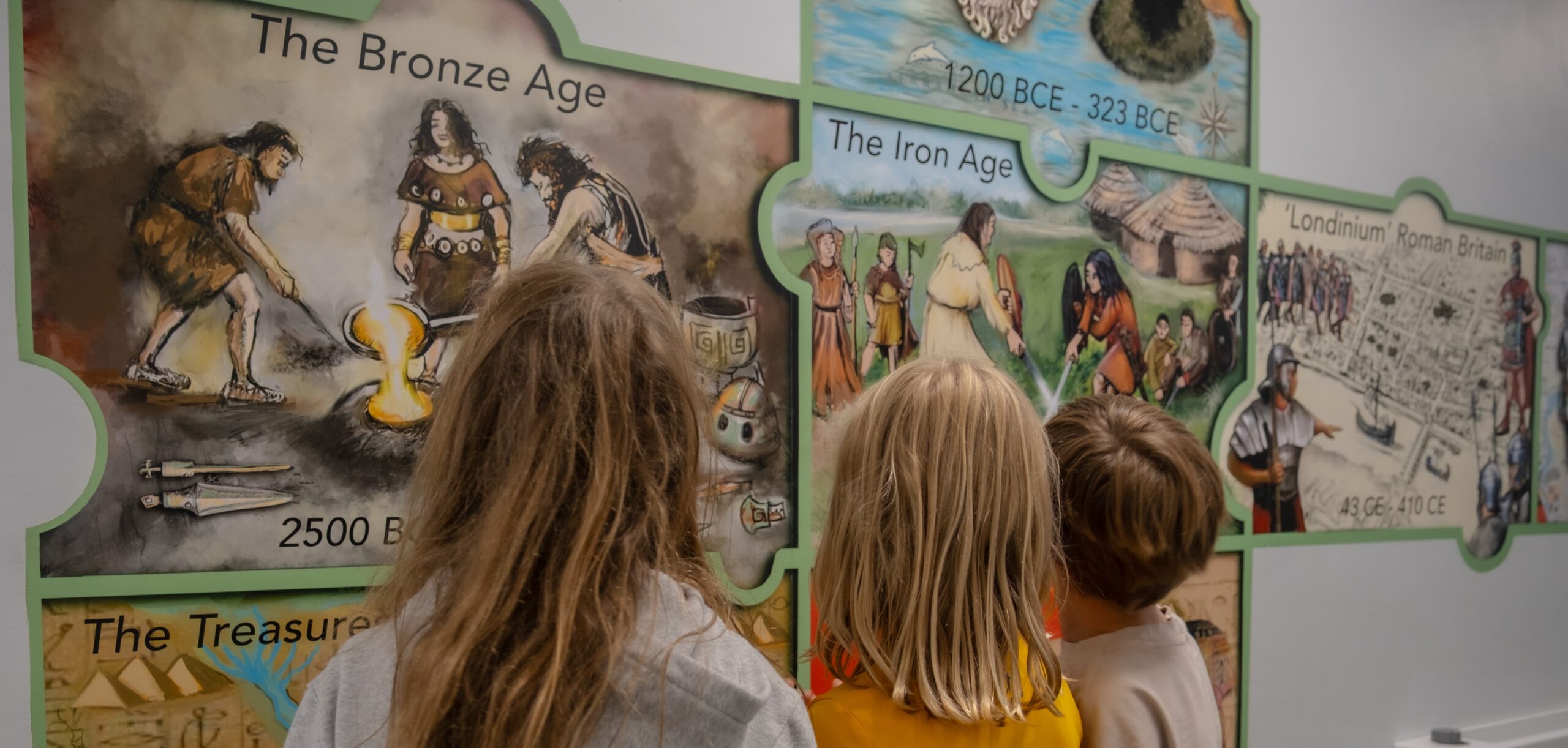
The topic explores the worlds of palaeontology and archaeology, with a focus on dinosaurs and early civilisation. Ever since they were first identified in the 1800s, dinosaurs have sparked the imagination of children and adults alike. Children study the ‘age of dinosaurs’ (the Mesozoic Era) including three consecutive geologic time periods (the Triassic, Jurassic, and Cretaceous Periods), with a focus on what the earth looked like, what lived at the time and how to identify the different species of dinosaur. The topic has a strong focus on historical skills. Children act as palaeontologists, looking for clues and making deductions, then archaeologists, making deductions about the lives of Stone Age and Iron Age man through the clues from the past.
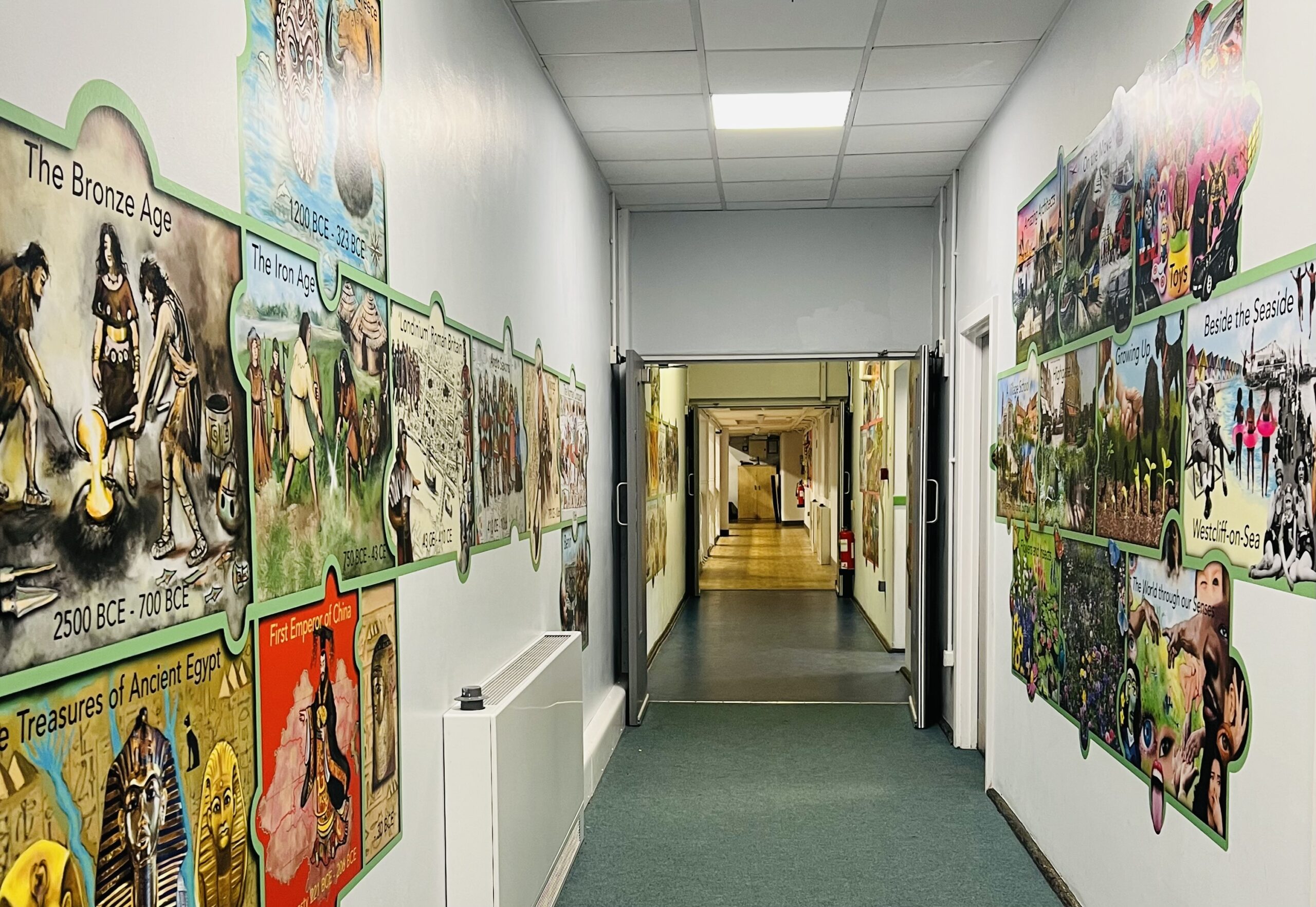
This topic is one of a series of historical units that places periods of history in the context of time. Children start the topic with some knowledge of dinosaurs and an understanding of the work of archaeologists. They have an awareness of chronological order and the use of dates to establish the relative position of historical periods. The historical skills developed within this unit are used extensively as children study later historical periods, particularly the concepts of change over time, the need to interpret historical sources, and the impact of the past upon the present.